The Alternative Without Milk
Lactose is milk sugar, a natural component of milk. This applies not only to cow’s milk but also to goat, sheep, and human milk. Lactose is present in all types of mammalian milk. Its content ranges between 2 and 7% and can be found in many forms, such as in quark, yogurt, cheese, and whey. Additionally, lactose is often added to processed foods as a flavor enhancer, though it may appear under different names like milk sugar, whey, or milk powder.
Lactose is a disaccharide, meaning it must be broken down into its two simple sugars—galactose and glucose—during digestion. This task is performed by the enzyme lactase. However, a large portion of the world’s population (in Germany, one in six people) suffers from lactose intolerance. This means their bodies cannot properly digest lactose. Lactose intolerance occurs when the body produces little or no lactase.
Depending on the severity of the intolerance, milk and dairy products must be avoided. Many people are unaware that they have lactose intolerance because the symptoms can be very unspecific and varied. Common symptoms include stomach pain, nausea, and diarrhea. While lactose intolerance cannot currently be cured, those affected can switch to lactose-free foods to compensate for the deficiency.
Lactose-Free Supplement Options
Most dietary supplements are already lactose-free. Vitamin and mineral tablets, as well as many powdered supplements, contain no milk sugar. The main challenge arises with whey protein, as it is derived from milk and naturally contains traces of lactose.
For people with lactose intolerance who do not want to miss out on daily protein intake, alternatives exist. Whey Isolate is particularly recommended. Although still derived from whey, it is lactose-free due to its specific manufacturing process. Whey Isolate also has the highest biological value among protein supplements and is especially popular among bodybuilders and high-performance athletes.
Other alternatives to whey isolate include beef protein and egg protein. These options offer the advantage of a low carbohydrate content and rapid absorption of amino acids into the muscles.
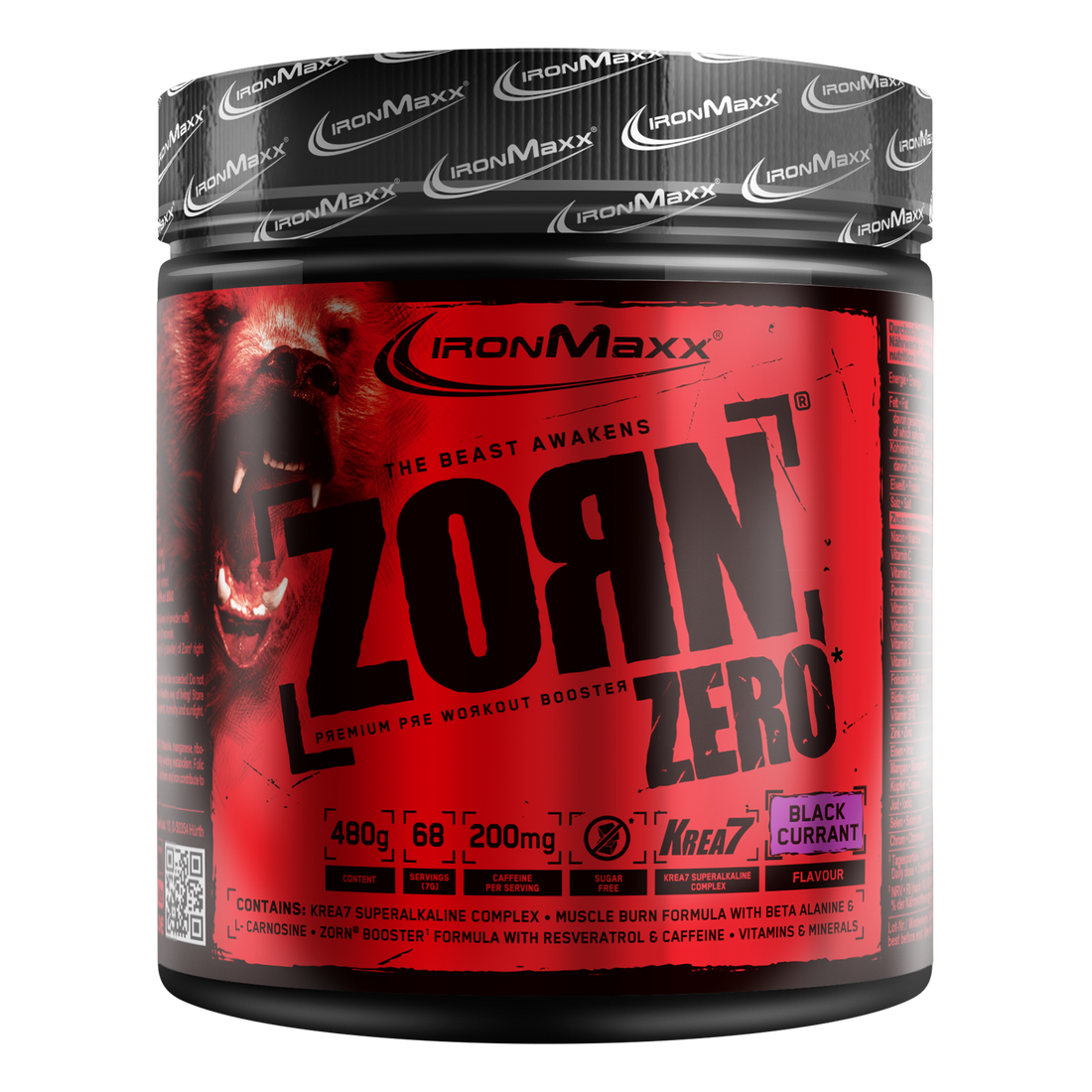 Zorn® Powder (480g) - BlackcurrantZorn® Powder (480g)
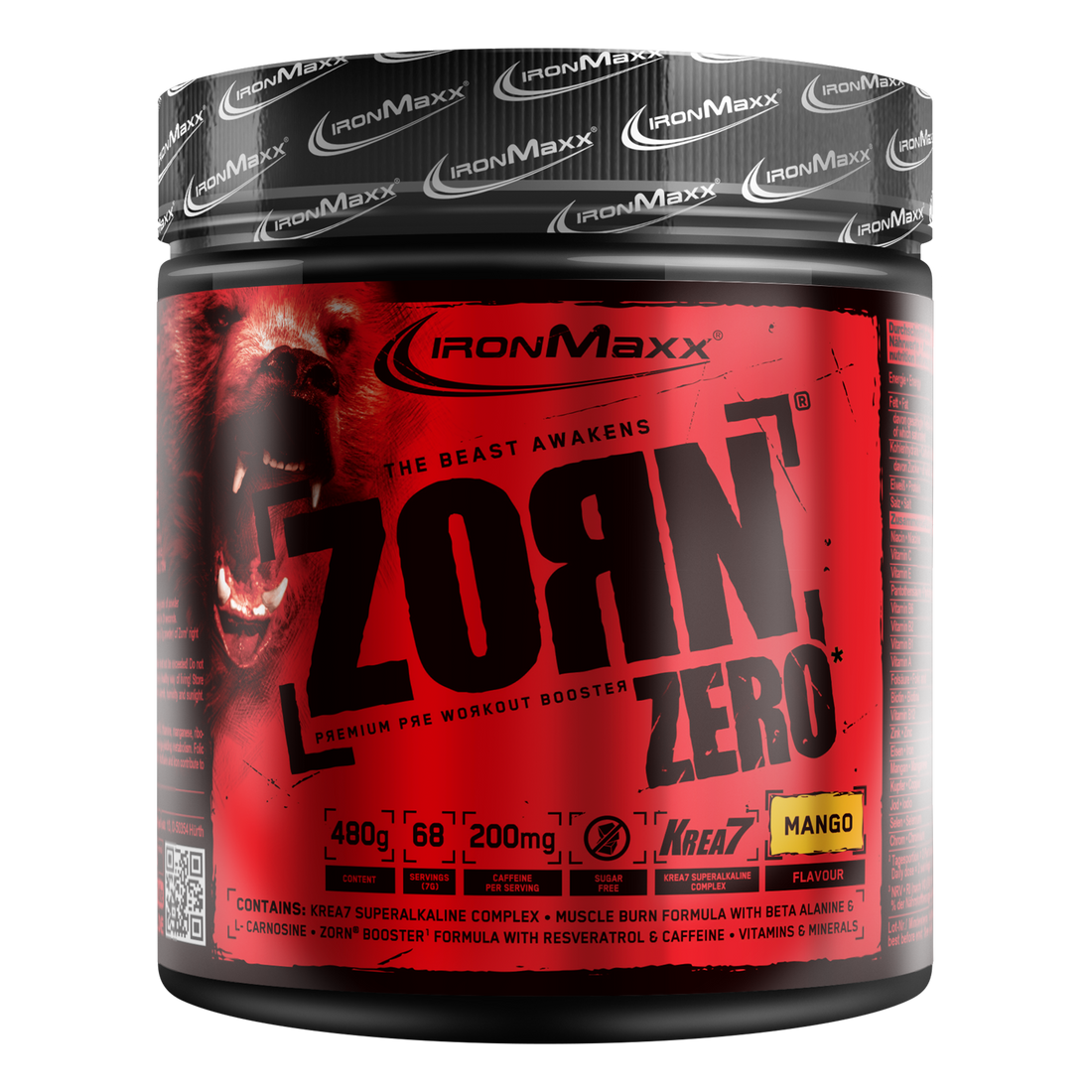 Zorn® Powder (480g) - MangoZorn® Powder (480g)
 Multi<tc>Vitamin</tc> - 130 CapsulesMulti
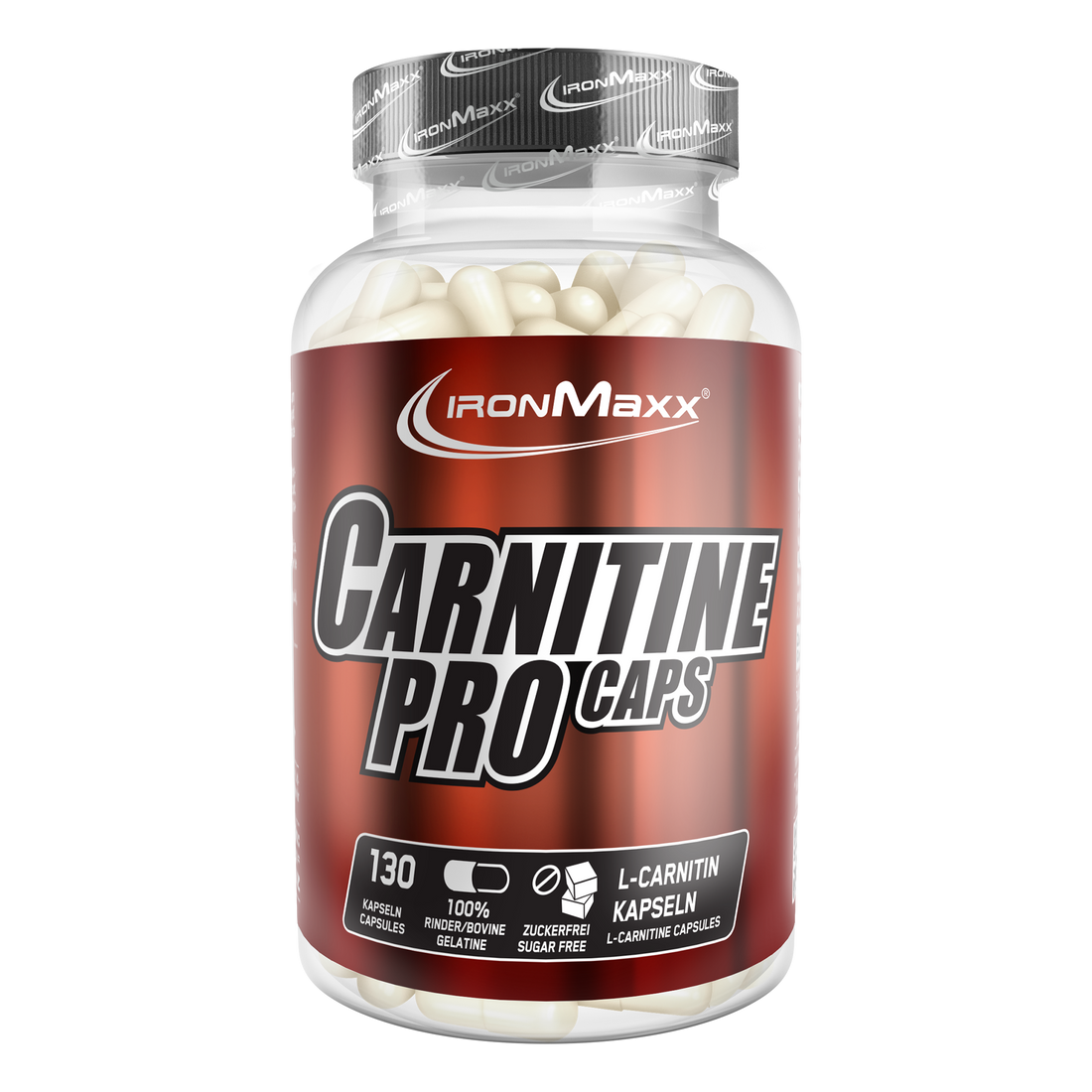 Carnitine Pro - 130 CapsulesCarnitine Pro


