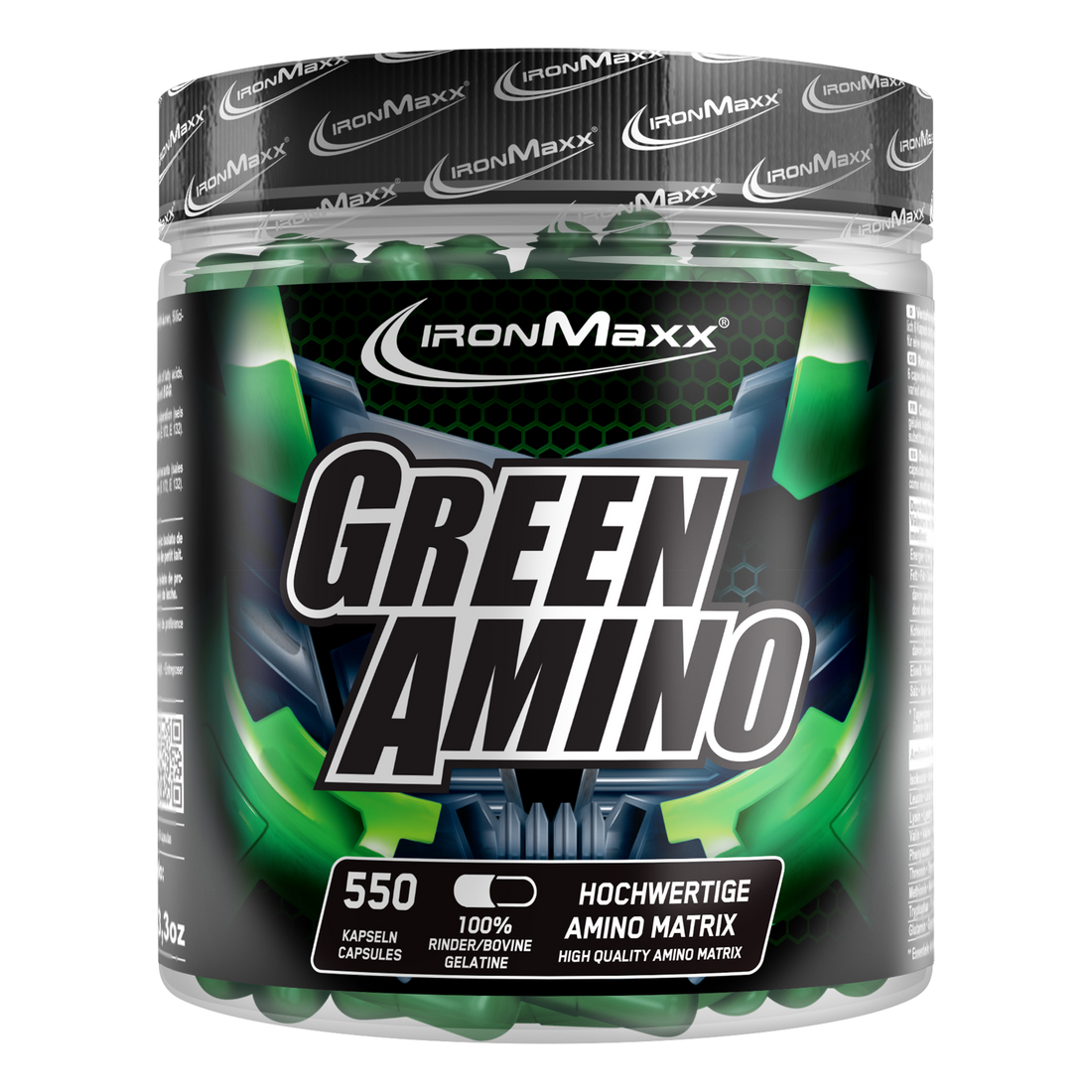
How Targeted Amino Acids Can Support Satiety, Diet Adherence & Body Composition
Why Appetite Control Is a Challenge—Even for Athletes
Managing hunger and cravings isn’t just about willpower. Appetite is regulated by a complex interaction of:
- Blood sugar levels
- Hormones (ghrelin, leptin, insulin)
- Neurotransmitters in the brain
- Training stress and recovery
- Sleep and calorie intake
For active individuals—especially those in a calorie deficit—cravings can derail consistency. This is where amino acids can play a supportive role by influencing satiety, blood sugar stability, and brain chemistry.
How Amino Acids Influence Hunger & Cravings
Amino acids are more than muscle-building blocks. Certain amino acids:
- Signal fullness to the brain
- Support stable energy levels
- Influence neurotransmitters linked to mood and reward
- Reduce muscle breakdown during dieting
Used strategically, they can help make fat loss or maintenance more sustainable.
Key Amino Acids for Appetite & Craving Control
1. Leucine – The Satiety Signal
Leucine helps activate muscle protein synthesis and may support appetite regulation.
How it helps:
- Promotes feelings of fullness
- Helps preserve muscle during calorie restriction
- Supports stable blood sugar when paired with protein
Best sources:
- Whey protein
- EAA blends
2. Tryptophan – Mood & Craving Support
Tryptophan is a precursor to serotonin, a neurotransmitter involved in mood and appetite control.
How it helps:
- May reduce emotional eating
- Supports better mood during dieting
- Can help manage late-day cravings
Found naturally in high-quality protein sources.
3. Glutamine – Gut & Sugar Craving Support
Glutamine is the most abundant amino acid in the body and plays a role in gut health.
How it helps:
- Supports intestinal lining integrity
- May reduce sugar cravings
- Supports immune and recovery processes
Often useful during high-stress or low-carb phases.
4. Phenylalanine – Appetite Regulation
Phenylalanine may stimulate hormones involved in satiety.
How it helps:
- Supports fullness signals
- Helps regulate meal timing
- May reduce overeating
Works best as part of complete protein intake.
5. Glycine – Blood Sugar Stability
Glycine plays a role in glucose metabolism and nervous system regulation.
How it helps:
- Supports stable blood sugar
- May reduce evening cravings
- Promotes calmness and sleep quality
Often overlooked but highly supportive during fat loss phases.
BCAAs vs EAAs for Appetite Control
BCAAs
- Useful during fasted training
- Help reduce muscle breakdown
- Limited appetite impact on their own
EAAs
- More complete amino acid profile
- Better for satiety and muscle preservation
- More effective during calorie deficits
For appetite management, EAAs or whole protein sources are superior.
When to Use Amino Acids for Craving Control
Between Meals
- Helps extend satiety
- Reduces snacking urges
During Diet Phases
- Supports muscle retention
- Makes calorie deficits more manageable
During Fasted Training
-
Reduces hunger rebound post-workout
Amino Acids Are Not Magic—Here’s What They Don’t Replace
❌ Balanced meals
❌ Adequate protein intake
❌ Fiber and hydration
❌ Sleep and stress management
Amino acids are support tools, not appetite suppressants.
Best Practices for Using Amino Acids
✔ Pair with adequate protein intake
✔ Use consistently, not sporadically
✔ Combine with fiber-rich meals
✔ Avoid extreme calorie restriction
✔ Prioritize food first, supplements second
Who Benefits Most from Amino Acids for Appetite Control?
- Athletes in a calorie deficit
- Individuals prone to emotional eating
- People training early morning or fasted
- Dieters struggling with late-day cravings
- Those aiming to preserve muscle while leaning out
Amino acids can support appetite control and craving management by influencing satiety, mood, and blood sugar stability—but they work best when paired with a structured nutrition plan.
For active individuals, maintaining muscle while controlling hunger is the real challenge. Amino acids help bridge that gap, making consistency easier and results more sustainable.